
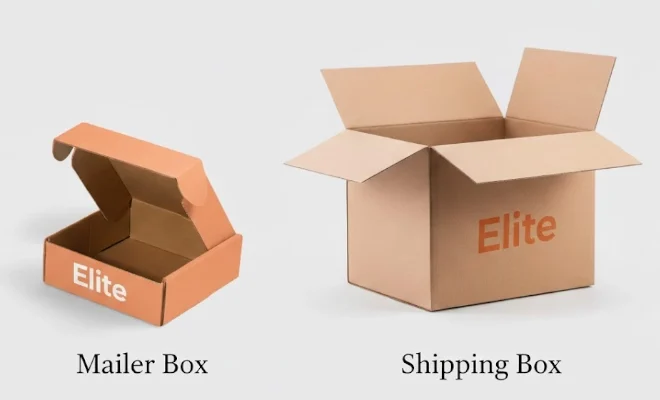
Choosing the right packaging is important for keeping products safe and making shipping more efficient. Two common options are mailer boxes and shipping boxes.
A mailer is a lightweight box often used for smaller or less fragile items. On the other hand, a shipping box is a stronger corrugated box designed for heavier or bulkier products. Picking the right one matters because it affects cost, product protection, and the customer’s unboxing experience.
In this blog, you’ll learn about the difference between a mailer and a shipping box and how to choose between them.
Difference Between Shippers and Mailers
Mailer Boxes:
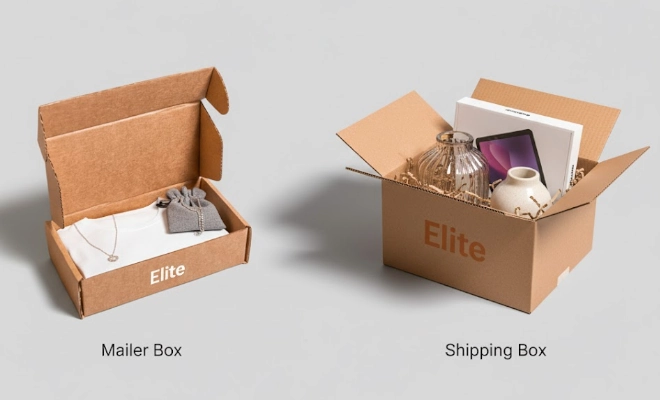
A mailer is a lightweight and flexible packaging option, often used for smaller, non-fragile items. They are usually made from cardboard, paper, or padded materials, making them compact and easy to handle. Mailers are lightweight, save on shipping costs, and feature a self-sealing feature, which removes the need for tape.
Use Cases for Mailers:
- Perfect for shipping apparel like t-shirts, socks, and other clothing items.
- Safely deliver books, magazines, and important documents.
- Works well for small electronics or lightweight accessories.
- Ideal for non-fragile retail products that need simple packaging.
Shipping Boxes:
A shipping box is a sturdy packaging option used for larger or fragile items. These boxes are typically made from corrugated cardboard or other durable materials. They offer stronger protection against impact and external factors. They can also handle heavier weights and a wide range of product sizes.
Common Types of Shipping Boxes:
- Regular Slotted Cartons (RSC): The most common style, with flaps that fold down the middle.
- Die-cut Boxes: Designed in custom shapes to fit specific products.
- Double-wall Boxes: Built with extra strength for heavy or fragile items.
- Flat Pack Boxes: Convenient for bulk shipping and storage.
Use Cases for Shipping Boxes:
- Provide strong protection to keep delicate products like glassware and electronics safe from damage.
- Their sturdiness makes them suitable for carrying and transporting heavy or bulky goods like furniture and appliances.
- They can hold multiple units together, making storage and delivery easier.
- Corrugated layers safeguard items against pressure, impact, and rough handling and transit.
Key Considerations When Choosing Between Mailers and Shipping Boxes
Your choice depends on product type, shipping needs, and budget. Here’s a quick comparison to guide you:
| Aspect | Mailer | Shipping Box |
| Product Size & Weight | Best for small and lightweight products | Works for large, heavy, or bulky products |
| Fragility | Less protection — only for non-fragile items | Strong protection — safe for fragile or delicate products |
| Shape of Product | Fits flat or flexible items (clothes, books) | Better for irregular or structured items |
| Shipping Cost | Lower cost due to lightweight and size | Higher cost but adds more safety |
| Packing Time | Quick and easy to pack, often self-sealing | Needs more time to assemble and seal |
| Branding Options | Small print area | More space for custom branding |
| Protection Level | Light protection | High protection with fillers like foam or bubble wrap |
| Presentation | Simple and minimal look | Premium unboxing with inserts and branding |
| Product Value | Good for low-to-medium value items | Best for high-value or delicate items |
Why Choosing the Right Packaging Matters
- It creates the first physical impression of your brand for the customer.
- Packaging shows how much you value quality and care for your products.
- The right choice ensures safe delivery, reducing damage and returns.
- It also impacts shipping costs, storage, and handling efficiency.
- Good packaging design can build trust and repeat purchases.
Which Box Is Right for Your Business?
Choosing between a mailer and a shipping box depends on your product type, budget, and customer needs. If you sell smaller, lightweight, or non-fragile items, mailers are a smart choice. They’re affordable, easy to pack, and reduce postage costs.
For larger, heavier, or fragile products, shipping boxes are the safer option. They offer higher protection and can be customized for a premium unboxing experience. This makes them ideal for brands that want both security and a strong customer experience.
In the end, the right choice depends on what you sell and how you want your customers to feel when they receive it.
Conclusion
Mailers and shipping boxes both play an important role in packaging, but the right choice depends on your goals. Mailers keep things simple and budget-friendly, while shipping boxes give you more flexibility with space and design. Picking the right one helps protect products better and create the kind of delivery experience your customers will remember.
